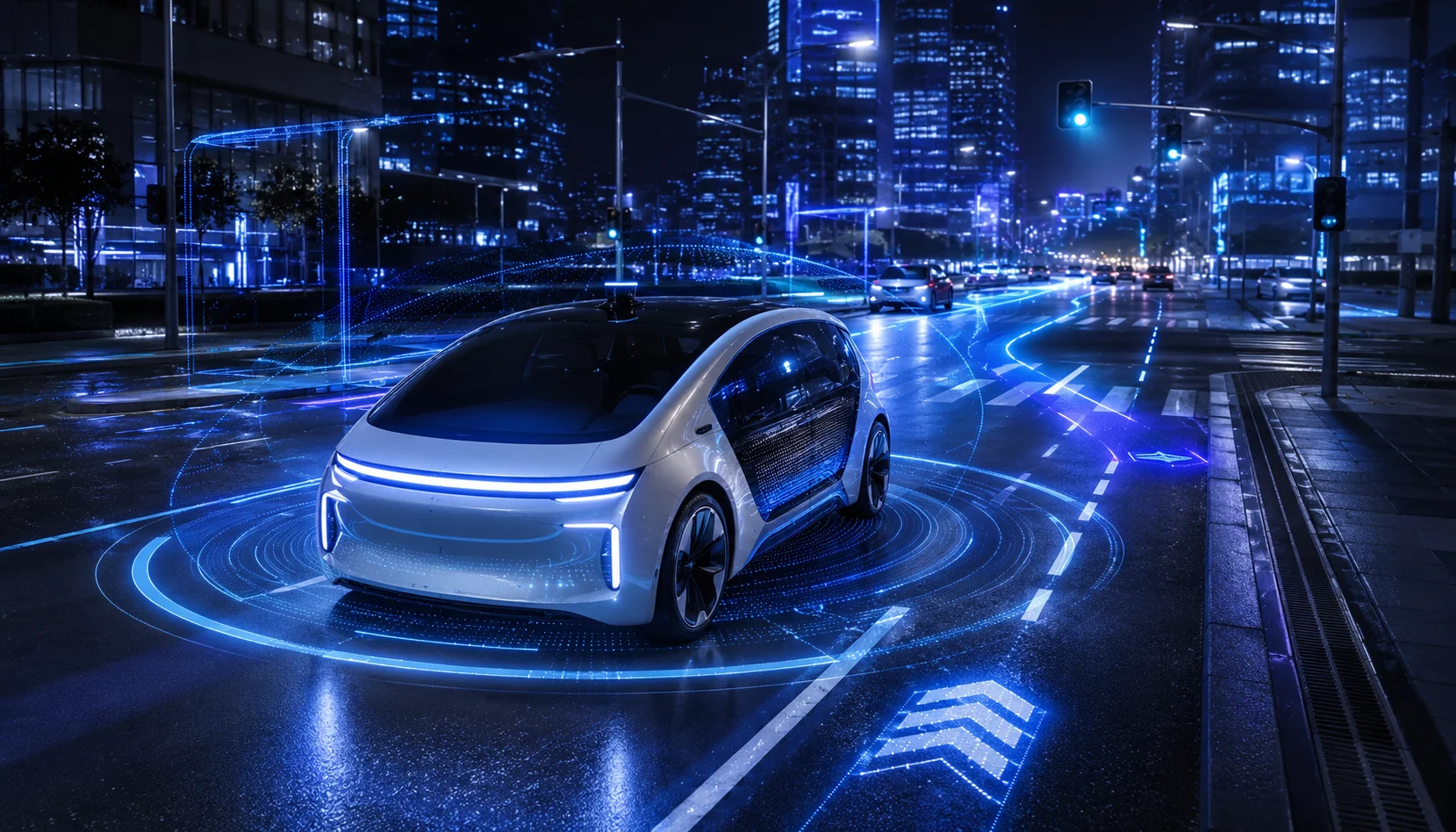
Unsupervised robotaxi service is becoming one of the most important developments in the future of transportation. For years, driverless cars were seen as a futuristic idea. Today, autonomous ride-hailing is already operating on public roads in selected cities.
A robotaxi is a self-driving vehicle that can pick up passengers and complete trips without a human driver controlling the car. In an unsupervised robotaxi service, there is no safety driver behind the wheel. The vehicle uses artificial intelligence, cameras, radar, LiDAR, maps, sensors, and advanced driving software to understand the road and make driving decisions.
This shift is more than a technology upgrade. It could change how people move through cities, how ride-hailing companies operate, and how future transport systems are designed.
What Is an Unsupervised Robotaxi Service?
An unsupervised robotaxi service is a driverless ride-hailing system where passengers can book a trip through an app and travel in an autonomous vehicle without a human driver inside.
The vehicle handles key driving tasks such as:
- Detecting pedestrians
- Reading traffic signals
- Identifying other vehicles
- Changing lanes
- Stopping safely
- Following routes
- Reacting to traffic conditions
- Dropping passengers at the destination
The goal is to provide safe, reliable, and convenient transport without depending on a human driver.
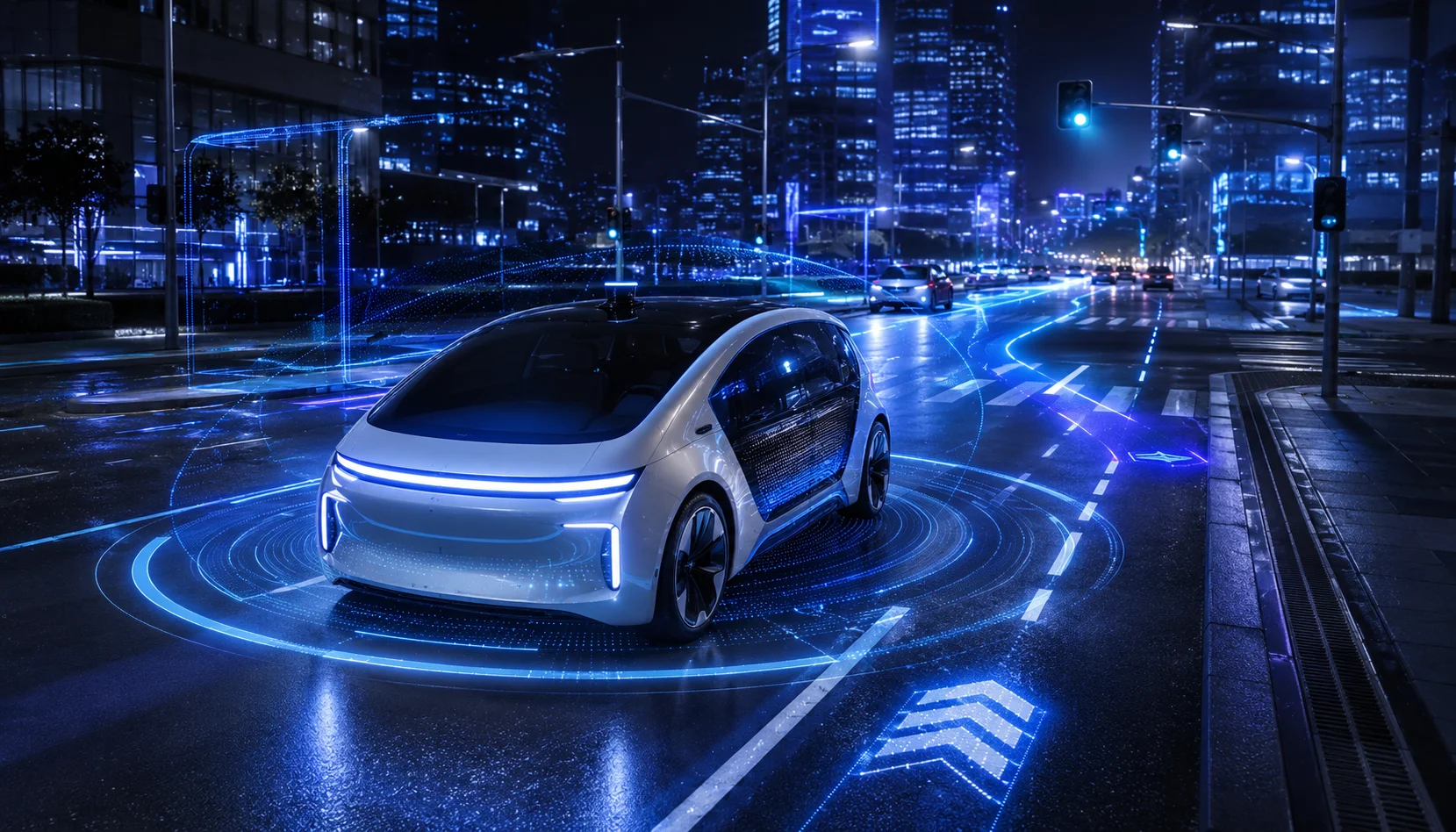
Companies such as Waymo and Tesla are among the most visible names in this space. Waymo says its Waymo One service already provides paid autonomous trips in cities including Phoenix, San Francisco, Los Angeles, and Austin. Tesla has also expanded its robotaxi efforts in Texas, including Austin, with recent reports describing unsupervised robotaxi activity in the state.
How Robotaxis Work
Robotaxis work by combining hardware and software.
The hardware collects information from the environment. This may include cameras, radar, LiDAR, microphones, GPS, and other vehicle sensors. These systems help the car detect objects, road markings, traffic signs, cyclists, pedestrians, and nearby vehicles.
The software then processes this information in real time. It predicts what may happen next and decides how the vehicle should respond.
Ransomware Growth: Why Cyber Attacks Are Increasing Worldwide
For example, if a pedestrian starts crossing the road, the robotaxi must detect the person, predict movement, slow down, and stop if needed. If another car suddenly changes lanes, the autonomous system must react quickly and safely.
This constant cycle of sensing, predicting, planning, and acting is what allows a robotaxi to drive without human control.
Why Robotaxis Are Becoming Popular
Robotaxis are gaining attention because they promise major benefits for cities and passengers.
One of the biggest benefits is availability. A driverless fleet can operate for long hours without driver fatigue. This could improve ride availability during late nights, early mornings, and high-demand periods.
Another benefit is cost. Removing the human driver could reduce long-term operating costs for ride-hailing companies. If those savings are passed to customers, robotaxi rides may become more affordable over time.
Robotaxis may also improve safety if autonomous systems can reduce crashes caused by human error, distraction, speeding, fatigue, or impaired driving. However, safety remains one of the most closely watched issues in the industry.
Tesla and the Robotaxi Race
Tesla has made robotaxis a major part of its long-term autonomous driving strategy. The company uses its Full Self-Driving software approach and relies heavily on cameras, AI models, and real-world driving data.
Recent reports indicate that Tesla has expanded unsupervised robotaxi operations in Austin, with additional activity reported in Texas cities such as Dallas and Houston. However, Tesla’s robotaxi rollout is still being closely watched by regulators, analysts, and the public because safety, fleet size, reliability, and service availability remain key questions.
Tesla’s advantage is its large vehicle fleet and software-focused approach. If the company can prove safety and reliability at scale, it could become a major force in autonomous ride-hailing.
Waymo’s Lead in Driverless Ride-Hailing
Waymo is currently one of the most established companies in commercial driverless ride-hailing.
The company began as Google’s self-driving car project and has spent years testing autonomous driving technology. Waymo One now operates paid autonomous ride-hailing services in major U.S. cities, with the company reporting hundreds of thousands of paid trips per week across markets such as Phoenix, San Francisco, Los Angeles, and Austin.
Waymo’s approach uses a combination of sensors, including LiDAR, radar, cameras, and detailed mapping. This sensor-rich strategy helps its vehicles understand complex city environments.
Its progress shows that driverless ride-hailing is no longer only a concept. It is becoming a commercial mobility service.
Why Unsupervised Robotaxi Service Matters
Unsupervised robotaxi service matters because it could reshape urban mobility.
In many cities, people depend on private cars, taxis, buses, trains, and ride-hailing apps. Robotaxis could become another major transport option, especially for short and medium city trips.
They may help reduce the need for personal car ownership in some areas. If people can easily book affordable autonomous rides, they may choose not to buy or maintain a car.
Robotaxis could also support older passengers, people with disabilities, and people who cannot drive. If designed correctly, autonomous mobility could make transport more accessible.
For cities, robotaxis may also become part of a larger smart transportation system connected to public transit, traffic management, and electric vehicle infrastructure.
Safety and Regulation Remain Major Challenges
Even though robotaxis are advancing quickly, safety and regulation remain major challenges.
Autonomous vehicles must handle complicated real-world situations such as bad weather, construction zones, emergency vehicles, unusual pedestrian behaviour, cyclists, road closures, and unpredictable human drivers.
Regulators also need clear rules for testing, reporting, safety standards, accident responsibility, cybersecurity, and public transparency.
In the United States, the National Highway Traffic Safety Administration says automated vehicle companies must comply with federal safety standards and certify that their vehicles are free of safety risks. NHTSA has also highlighted the need to prioritise the safety of automated vehicle operations on public roads while supporting innovation.
Public trust will depend on consistent safety performance, clear communication, and strong oversight.
Public Trust Is Critical
Technology alone will not decide the success of robotaxis. Public trust will play a major role.
Passengers need to feel safe entering a car with no driver. Pedestrians, cyclists, and other drivers also need confidence that robotaxis will behave predictably on the road.
Every incident involving an autonomous vehicle receives public attention. This means companies must be transparent about safety, limitations, service areas, and performance.
If robotaxis are reliable and safe, adoption could grow quickly. If people feel uncertain, adoption may slow down.
The Economic Impact of Robotaxis
Robotaxis could create major economic changes.
Ride-hailing companies may reduce labour costs, while automakers could shift from selling cars to operating mobility services. Cities may see changes in parking demand, taxi markets, public transport planning, and electric vehicle charging needs.
However, the shift also raises concerns about jobs. Taxi drivers, ride-hailing drivers, delivery drivers, and other transport workers may face disruption if autonomous fleets expand at scale.
This means the robotaxi transition must be managed carefully. Innovation should be balanced with workforce planning, safety standards, and public policy.
Cybersecurity Risks in Autonomous Mobility
Robotaxis are connected vehicles. That means cybersecurity is extremely important.
A robotaxi depends on software, sensors, communication systems, maps, cloud services, and fleet management platforms. If these systems are attacked or manipulated, the risks could be serious.
Companies must protect robotaxis from hacking, data theft, remote interference, spoofed signals, and software vulnerabilities.
As autonomous mobility grows, cybersecurity will become as important as mechanical safety.
The Future of Unsupervised Robotaxis
The future of unsupervised robotaxi service will likely develop city by city.
Some cities will adopt the technology faster because of supportive regulations, good road conditions, strong mapping, and high ride-hailing demand. Other cities may move slowly because of traffic complexity, weather challenges, legal concerns, or public resistance.
In the coming years, robotaxi companies will focus on expanding service areas, improving safety, reducing wait times, lowering costs, and increasing fleet size.
The industry is still young, but the direction is clear. Driverless ride-hailing is moving from testing to commercial reality.
Conclusion
Unsupervised robotaxi service represents the next frontier of autonomous mobility.
Powered by artificial intelligence, sensors, mapping, and real-time decision-making, robotaxis can transport passengers without a human driver. Companies such as Waymo and Tesla are pushing this technology into real-world service, especially in U.S. cities where autonomous ride-hailing is gaining momentum.
The benefits could be significant: safer roads, lower transport costs, improved availability, and more accessible mobility.
However, the challenges are also serious. Safety validation, regulation, cybersecurity, public trust, and job disruption must be handled carefully.
The future of transportation is no longer only about cars. It is about intelligent mobility systems. Robotaxis are one of the clearest signs that this future has already begun.