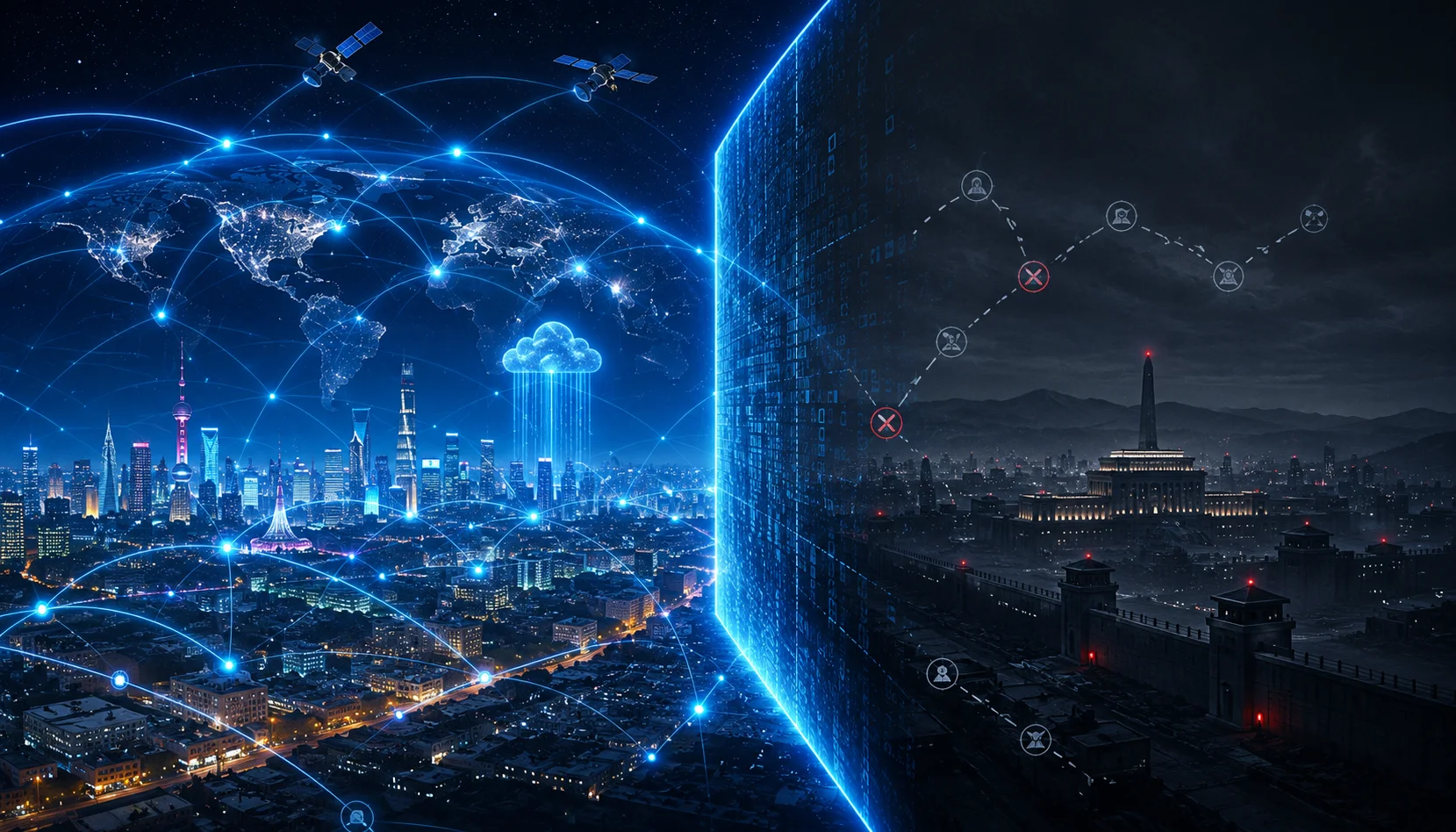
The internet has become a basic part of modern life. People use it to study, work, build businesses, communicate, watch news, access banking services, and connect with the world.
In many countries, internet access is seen as normal. A person can open a phone, search Google, watch YouTube, use social media, join online classes, or speak with someone on the other side of the world within seconds.
However, not every nation lives in this open digital reality.
Some countries still have limited, restricted, or heavily controlled internet access. In these places, citizens may not be able to freely browse global websites, use international social media platforms, or access independent online information.
One of the most well-known examples is Pyongyang, the capital of North Korea.
Pyongyang shows how a country can have technology, computers, and digital systems while still remaining largely disconnected from the open global internet.
What Is Restricted Internet Access?
Restricted internet access means that people cannot freely use the global internet.
Instead of open access, users may face government controls, blocked websites, surveillance, limited platforms, or access only to approved digital content.
In some countries, restrictions may apply only to certain websites or social media apps. In others, the entire internet is controlled. Citizens may only be allowed to use a domestic network that contains state-approved information.
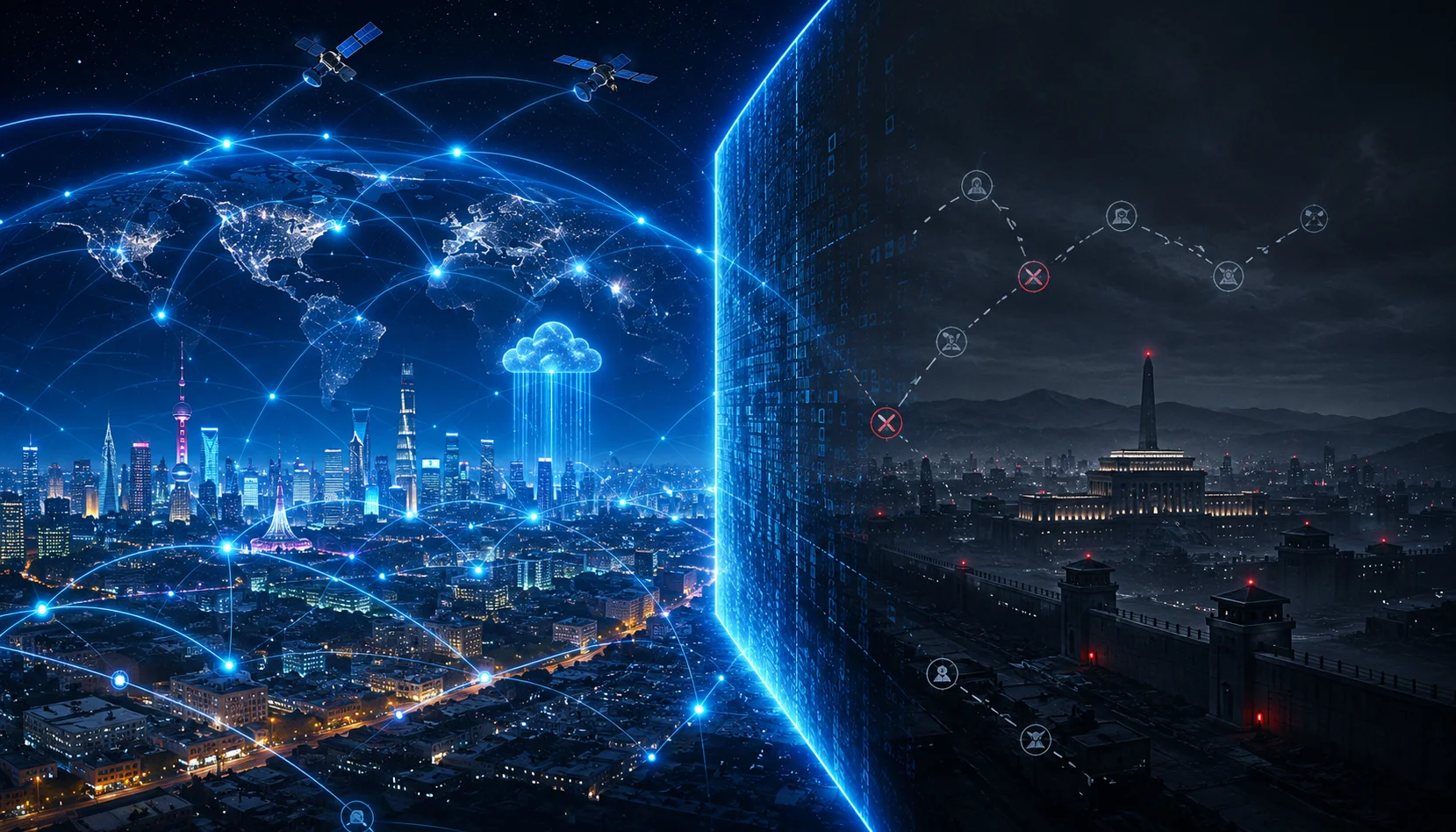
This is very different from open internet access, where users can visit global websites, read independent news, use international apps, and communicate freely across borders.
Restricted internet access affects education, business, communication, innovation, and freedom of information.
Pyongyang: A City With Technology but Limited Internet
Pyongyang is often seen as one of the most digitally restricted cities in the world.
The city has universities, government offices, research institutions, computers, and digital systems. However, most ordinary citizens do not have access to the open global internet.
Instead, many users rely on a domestic intranet system. This internal network allows access to selected information, educational materials, government-approved content, and local digital services.
But it is not the same as the global internet.
Users cannot freely browse international websites, watch global YouTube content, use common social media platforms, or access independent foreign news in the way people do in most connected countries.
This creates a controlled digital environment where information is available, but only within strict limits.
The Difference Between the Internet and an Intranet
To understand Pyongyang’s digital system, it is important to know the difference between the internet and an intranet.
The internet is a global network. It connects people, websites, apps, businesses, governments, and institutions across the world.
An intranet is a closed internal network. It is usually used by organisations, schools, companies, or governments to share information within a limited system.
In North Korea, many citizens are connected not to the open global internet, but to a controlled domestic intranet. This means they may have access to some digital tools, but not to the wider online world.
This distinction is important because a country can appear digitally active while still being globally disconnected.
Why Some Nations Restrict Internet Access
Countries restrict internet access for different reasons. Some governments say restrictions are needed for national security, political stability, cultural protection, or control over misinformation.
However, strict internet control also allows authorities to manage what people see, read, and discuss.
When access to global information is limited, citizens may depend heavily on official sources for news and education. This can reduce exposure to outside viewpoints and limit public debate.
In Pyongyang’s case, the digital environment reflects a broader system of information control. Access to outside content is tightly managed, and only selected groups are reported to have wider access to the global internet.
How Restricted Internet Access Affects Education
Education is one of the biggest areas affected by restricted internet access.
In highly connected countries, students can use online courses, research databases, digital libraries, language-learning apps, educational videos, and global academic platforms.
But in places with restricted internet access, students may not have the same opportunities.
They may be limited to approved materials inside a domestic network. This can reduce exposure to international research, global academic discussions, and modern learning tools.
For students in Pyongyang, technology may exist in universities and research centres, but access to the open web remains limited. This creates a major gap between local digital education and global online learning.
How Restricted Internet Access Affects Business
Business growth also depends on internet access.
Modern companies use the internet for online payments, e-commerce, cloud tools, digital marketing, customer support, remote work, international trade, and global communication.
When internet access is restricted, businesses face serious limitations.
They may struggle to connect with international customers, use global software platforms, research market trends, advertise online, or participate in the digital economy.
For countries that restrict internet access, this can slow innovation and reduce competitiveness.
A business cannot fully participate in the global digital economy if it cannot freely connect to global digital markets.
The Impact on Communication and Daily Life
The internet is not only about business and education. It is also about human connection.
People use the internet to speak with family, share ideas, read news, join communities, and understand the wider world.
In countries with restricted internet access, communication is often more controlled. Citizens may not be able to freely use international messaging apps, social platforms, or independent media sites.
This changes how people experience the world.
Instead of having open access to different opinions, cultures, and global conversations, people may receive information through limited and centralised channels.
This can shape public understanding and reduce digital freedom.
Restricted Internet Access and the Global Digital Divide
The situation in Pyongyang highlights a larger issue: the global digital divide.
The digital divide is the gap between people who have full access to modern digital technology and those who do not.
In some countries, the issue is poor infrastructure. People may lack broadband, electricity, devices, or affordable data.
In other countries, the issue is political control. The infrastructure may exist, but access is restricted.
Both situations create inequality.
While highly connected nations move forward with artificial intelligence, cloud computing, fintech, online education, and digital entrepreneurship, restricted nations risk falling behind.
The result is a world where digital opportunity is not equally available to everyone.
Is North Korea Completely Offline?
North Korea is not completely offline.
Technology exists in the country. There are computers, internal networks, selected digital services, and cyber capabilities. Some government officials, researchers, and elite groups are reported to have access to more advanced digital tools.
However, ordinary citizens generally do not enjoy open access to the global internet.
This makes North Korea different from countries with poor internet infrastructure. The issue is not only technical. It is also political and regulatory.
The country has digital systems, but those systems are built around control rather than open connectivity.
Why Open Internet Access Matters
Open internet access matters because it supports opportunity.
It gives people access to knowledge, global markets, independent information, digital skills, and international communication.
A more open internet can help students learn faster, businesses grow, workers find opportunities, and citizens understand global events.
It also helps innovation.
When people can access global tools and ideas, they can build better products, learn new skills, and participate in international conversations.
Without open internet access, a country may still use technology, but its people remain limited in how far they can connect, learn, and grow.
The Future of Digitally Restricted Nations
The future of restricted internet access will depend on political decisions, economic pressure, technology development, and global engagement.
Some countries may gradually open parts of their digital systems as they seek economic growth. Others may continue to prioritise control over connectivity.
However, the demand for information is difficult to stop completely.
As the world becomes more digital, the gap between open and restricted societies becomes more visible. Countries that limit internet access may find it harder to compete in education, trade, technology, and innovation.
The internet is now part of national development. Nations that remain disconnected from the open web risk limiting their own potential.
Conclusion
The story of nations that have not fully embraced the internet is not only about technology. It is also about information, control, opportunity, and development.
Pyongyang, North Korea, is one of the clearest examples of a city where technology exists but open global internet access remains highly restricted.
Most ordinary citizens cannot freely browse the global web. Instead, they rely on controlled internal systems and approved information channels.
This affects education, business, communication, innovation, and exposure to the wider world.
Restricted internet access shows that the digital divide is not only about who has devices or network coverage. It is also about who has the freedom to connect.
In the modern world, true digital progress is not just having computers or networks. It is having open, reliable, and meaningful access to global information.